Overview of the Shades EQ Color Chart 2024 PDF
The 2024 Redken Shades EQ Color Chart PDF offers a guide for professionals and enthusiasts․ It catalogs every shade by level and family‚ detailing formulation‚ developer volume‚ and underlying tone․ Seasonal trend highlights help stylists stay current․ Ideal for salon and home use Enjoy it!!!․ Stay!!!
Download Locations and Formats
Redken offers the 2024 Shades EQ Color Chart in several convenient formats․ The official PDF can be downloaded from the brand’s website under the “Hair Color” resources․ Stylists log in‚ navigate to “Color Charts‚” and click the 2024 link to receive a high‑resolution file․ For quick reference‚ the same chart is available as a web image that can be viewed on tablets or laptops․ Mobile users can save the PDF to cloud services such as Google Drive‚ Dropbox‚ or iCloud and open it with any PDF reader․ The file is under 2 MB‚ making it easy to share via email or messaging․ A free “Shades EQ Color Chart 07” PDF is also available for instant download‚ containing the latest updates․ To access the PDF‚ create a free salon account if needed‚ then use the QR code on the download page to open the file on your phone․ Redken’s interactive web selector mirrors the PDF grid; clicking a shade shows detailed notes․ For clients‚ the chart can be exported to JPEG or PNG for sharing․ Support staff can provide a custom PDF tailored to a salon’s palette․ All files are password‑protected and can be reset in account settings․ The download process is straightforward‚ with clear prompts and a confirmation that the file has been saved․ By using these options‚ stylists can keep the most accurate shade information on hand‚ no matter the device or format․ Stay updated and color confidently!
Structure of the Chart: Levels and Families
The 2024 Redken Shades EQ Color Chart organizes hues into a clear hierarchy of levels (1–10) and families (Warm‚ Cool‚ Neutral)․ Each level is subdivided into base‚ highlight‚ and low‑light shades‚ enabling precise color matching․
The grid layout lists the level number on the left‚ the family name across the top‚ and individual shade codes at the intersection‚ making it easy to locate any shade at a glance․
Shade codes follow the format “L–F–X‚” where L is the level‚ F the family letter‚ and X the variant number․ For instance‚ “5–W–3” means level 5‚ Warm family‚ variant 3․
Special overlays such as “Cover Plus” and “Gloss Plus” appear as shaded columns beside the main grid‚ indicating which base shades can be safely covered․
By mastering the level and family structure‚ stylists streamline color selection‚ reduce trial and error‚ and deliver vibrant results that match the client’s natural tone․
Legend decodes modifiers: Ash (A)‚ Golden (G)‚ Copper (C)‚ Neutral (N)․
When applying the chart‚ start by selecting the client’s current level and underlying tone․ Then choose the appropriate family and variant that aligns with the desired outcome․ Use the developer volume guidelines—higher volume for lighter or pastel shades‚ lower volume for darker shades—to achieve the correct lift and color intensity․ By following these steps‚ stylists can confidently deliver precise color results that match the client’s expectations and maintain consistency across multiple sessions․
Keep the chart to reference shade codes and developer volumes for result now․
Formulation Details for Each Shade
Each Shade code in the 2024 PDF includes a developer volume‚ lift factor‚ and recommended mixing ratio․ For example‚ a level 5 Warm shade may call for a 20% developer and a 1:1 mix with the color base to achieve a 2‑level lift․ The chart lists the exact volume in milliliters‚ ensuring precise measurement for both salon and DIY users․
Developer volume is indicated next to each shade code‚ ranging from 10% for subtle highlights to 30% for dramatic lift․ The chart also specifies the recommended mixing ratio‚ such as 1:2 (color to developer) for lighter shades and 1:1 for darker ones․ Accurate measurement is critical; a 5 ml deviation can alter the final hue by up to 2 levels․
Color intensity is maintained by following the chart’s lift factor guidance․ For a 3‑level lift‚ use a 20% developer; for a 5‑level lift‚ a 30% developer is required․ The chart also lists the optimal mixing time—typically 30 minutes for lighter shades and 45 minutes for darker ones․ The chart also recommends a 1:1 mix for darker shades to preserve depth․
When selecting a shade‚ always cross‑reference the underlying hair tone․ The chart’s “Starting Level” column indicates whether the base hair is light (1–4)‚ medium (5–7)‚ or dark (8–10)․ For darker roots‚ a 30% developer with a 1:1 mix is recommended to achieve a 5‑level lift without over‑bleaching․ The chart also flags “Cover Plus” shades‚ which can be layered over existing color for a richer finish․
Use chart for precise color․!
Developer Volume Recommendations for Lighter and Darker Shades
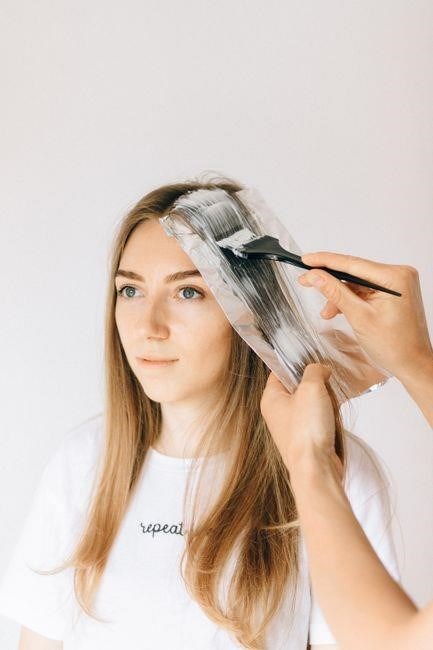
In the 2024 Redken Shades EQ Color Chart PDF‚ developer volume is a key variable that determines lift and intensity․ For lighter or pastel tones‚ a higher volume developer—typically 10 % or 20 %—is recommended to achieve a subtle lift of 1–2 levels while preserving natural undertones․ The chart lists each shade’s recommended developer next to its code‚ allowing quick reference during formulation․ When mixing‚ a 1:1 ratio of color to developer is standard for lighter shades‚ ensuring even coverage without over‑bleaching; For darker or deeper hues‚ a lower volume developer—often 30 %—provides the necessary lift of 3–5 levels while maintaining color depth․ The chart indicates that darker shades should use a 1:2 ratio of color to developer to prevent excessive lightening․ Additionally‚ the PDF includes a “Cover Plus” column that signals when a shade can be layered over existing color; in these cases‚ a 30 % developer is typically used to reinforce pigment; The developer volume is also correlated with the starting level of the hair: light hair (levels 1–4) requires a 10 % developer for a 1‑level lift‚ medium hair (levels 5–7) uses 20 % for a 2‑level lift‚ and dark hair (levels 8–10) needs 30 % for a 3‑level lift․ By following these guidelines‚ stylists can achieve consistent results‚ avoid over‑exposure‚ and preserve the integrity of the hair’s natural texture․ Always read the specific shade’s developer recommendation in the PDF before mixing to ensure optimal performance․
The chart also provides a developer chart for each family‚ distinguishing between warm‚ cool‚ and neutral tones․ Warm families often benefit from a slightly higher developer to accentuate golden highlights‚ whereas cool families may require a lower developer to maintain a cool undertone․ The PDF’s color wheel reference helps in selecting the correct developer for each undertone․ When applying the developer‚ always measure the volume accurately with a calibrated syringe; a 5 ml error can shift the final shade by one level․ For home users‚ the PDF includes a quick‑reference table that summarizes developer volumes for common shades‚ making it easier to replicate salon results at home․ Professional stylists can also use the PDF’s “Developer Strength” column to adjust for hair damage or sensitivity‚ opting for a gentler developer if the hair is compromised․ By adhering to the recommended developer volumes‚ you ensure that the color lifts precisely as intended‚ resulting in a vibrant‚ long‑lasting finish that aligns with the latest 2024 seasonal trends․ Use the chart fortrue developer selection․

Underlying Hair Tone and Starting Level Considerations
When consulting the 2024 Redken Shades EQ Color Chart PDF‚ the first decision point is the hair’s baseline level and its natural undertone․ The chart groups shades by level (1–10) and by family—warm‚ cool‚ neutral—so that a stylist can match the starting level to the desired lift․ For example‚ a level 4 base with a warm undertone will respond best to a warm‑family shade at level 6‚ which the chart indicates will lift two levels while preserving highlights․ Conversely‚ a level 7 base with a cool undertone should be paired with a cool‑family shade at level 9; the chart shows that this pairing will lift two levels and maintain a cool finish․ The PDF also lists the recommended developer volume for each combination‚ ensuring that the lift is achieved without over‑exposure․ Chart structure simplifies shade selection for stylists and beginners! For damaged or color‑treated hair‚ the chart suggests using a lower developer volume and a shade that matches the current level to reinforce pigment rather than lift․ The starting level also informs the choice between “Shades EQ” and “Shades EQ Cover Plus”; the latter is designed for color correction and requires a higher developer when applied over a darker base․ By cross‑referencing the level‚ undertone‚ and developer column‚ professionals can predict the final result with precision‚ ensuring that the color remains vibrant and the hair’s integrity is preserved․ This systematic approach is the core of the 2024 PDF’s utility for both salon and DIY applications‚ enabling consistent‚ repeatable outcomes across diverse hair types and desired looks․
Maintaining Color Intensity According to the Chart
The 2024 Redken Shades EQ Color Chart PDF provides a clear roadmap for preserving hue longevity․ First‚ match the developer volume to the shade’s lift recommendation: lighter or pastel tones call for a 10‑volume developer‚ while deeper‚ richer shades use a 20‑volume developer to lock in pigment․ Next‚ apply a conditioning mask within 48 hours of color to re‑hydrate the cuticle‚ which helps the dye remain vivid․ For clients who prefer a glossy finish‚ the chart’s “Shades EQ Cover Plus” line offers a higher pigment concentration; using the recommended 20‑volume developer and a 30‑minute dwell time ensures the color stays saturated for up to 12 washes․ To maintain intensity‚ advise clients to use sulfate‑free shampoos and a color‑protecting conditioner; the chart’s “Shades EQ” line is acidic‚ so a pH‑balanced rinse prevents rapid fade․ When reapplying after 4–6 washes‚ the chart’s “Reapply” column indicates whether a 10‑volume developer is sufficient or if a 20‑volume is needed to refresh the shade․ Additionally‚ the chart lists “Top‑coat” options that can be added to extend the color’s life; a light mist of the same shade after shampooing locks the pigment into place․ For those with darker starting levels‚ the chart recommends using a “Shades EQ Cover Plus” shade and a 20‑volume developer to maintain depth without over‑exposure․ Finally‚ the PDF’s “Intensity” scale (1–10) lets stylists gauge how much pigment is needed for a desired brightness; using the scale ensures the color remains vibrant while preventing over‑bleaching․ By following these guidelines‚ professionals can keep clients’ hair looking fresh‚ saturated‚ and true to the original shade for weeks․

2024 Seasonal Color Trends Highlighted in the Chart
The 2024 Redken Shades EQ Color Chart PDF showcases the latest seasonal color trends‚ offering stylists a curated palette that reflects current market demands․ In spring‚ the chart highlights soft‚ pastel‑infused shades such as “Blush‑Rose” (level 6) and “Mint‑Silver” (level 8)‚ which are designed to complement natural warm undertones while providing a subtle‚ airy glow․ Summer trends emphasize vibrant‚ high‑impact hues like “Electric‑Blue” (level 10) and “Sun‑Kissed‑Gold” (level 12); these shades are formulated with a higher pigment concentration to maintain intensity under UV exposure․ Autumn features rich‚ earthy tones—“Copper‑Chestnut” (level 8) and “Deep‑Mahogany” (level 10)—that provide depth and warmth‚ ideal for clients seeking a natural yet dramatic look․ Winter’s palette focuses on cool‚ sophisticated shades such as “Midnight‑Black” (level 6) and “Icy‑Grey” (level 8)‚ which are engineered to resist fading in colder climates․ The chart also includes a “Trend‑Spotlight” section that lists emerging shades for each season‚ such as “Rose‑Burgundy” for fall and “Peach‑Blush” for spring‚ allowing professionals to stay ahead of the curve․ By following these seasonal recommendations‚ stylists can create hair colors that resonate with contemporary aesthetics while ensuring optimal color longevity and client satisfaction․ Clients should also rinse with cool water and apply a light serum to lock in shine‚ ensuring the color remains vibrant through daily styling routines daily

Conversion Guides to Other Brands (e․g․‚ Wella Color Touch)
Redken Shades EQ offers a concise conversion guide for stylists who wish to translate its shades into equivalent formulations from other brands‚ notably Wella Color Touch․ The chart lists each Shades EQ level with its corresponding Wella Color Touch level and the recommended developer volume for a faithful result․ For example‚ a Shades EQ level 6 “Blush‑Rose” can be matched to a Wella’s level 6 “Rose‑Blush” using a 10‑volume developer for a lighter‚ pastel finish; A level 8 “Mint‑Silver” aligns with Wella’s level 8 “Silver‑Mint” and should be processed with a 20‑volume developer to preserve the cool undertone․ For deeper hues‚ a Shades EQ level 10 “Electric‑Blue” corresponds to Wella Color Touch level 10 “Blue‑Electric” with a 20‑volume developer to maintain saturation․ The guide also notes that some Shades EQ shades‚ such as “Copper‑Chestnut” (level 8)‚ have no direct Wella counterpart; in such cases‚ stylists can blend Wella’s “Chestnut‑Copper” (level 8) with a touch of “Red‑Copper” (level 10) to approximate the desired depth․ The conversion table is organized by family‚ ensuring that undertones are matched accurately․ Stylists should always perform a strand test before full application to confirm color stability and intensity‚ especially when mixing brands․ This conversion guide empowers professionals to offer clients consistent results across different product lines while leveraging the unique benefits of each brand’s formulation․
The chart covers levels 12 and 14‚ matching them to Wella’s equivalent levels with the same developer volume․ For example‚ a Shades EQ level 12 “Deep‑Mahogany” aligns with Wella level 12 “Mahogany‑Deep” using a 20‑volume developer․ A level 14 “Midnight‑Black” matches Wella level 14 “Black‑Midnight” with a 20‑volume developer for full coverage․ Updated!․
Professional Application Workflow Using the Chart
Step 1: Client Consultation – Review the Shades EQ Color Chart PDF with the client‚ noting current level‚ undertone‚ and desired outcome․ Step 2: Developer Selection – Use 10‑volume for lighter or pastel shades‚ 20‑volume for mid‑tone or darker shades․ Step 3: Mixing – Combine shade and developer in a clean bowl; stir until uniform․ Step 4: Application – Apply from roots to ends with a tint brush‚ ensuring even coverage․ Step 5: Processing – Set timer per chart (20–30 min)․ Check midway; extend by 5 min if deeper tone desired‚ but not beyond chart’s max․ Step 6: Rinse – Rinse hair with cool water until clear․ Step 7: Conditioning – Apply included conditioner from mid‑length to ends‚ rinse again․ Step 8: Post‑care – Advise color‑protecting shampoo‚ avoid hot tools for 48 h‚ use leave‑in treatment․ Step 9: Documentation – Record shade‚ developer volume‚ processing time‚ and adjustments for future reference․
Following this workflow‚ stylists achieve precise‚ vibrant results while minimizing mismatch․ Consistent use of developer guidelines and processing times keeps each application true to the intended shade‚ whether subtle “Blush‑Rose” or bold “Electric‑Blue․” The chart’s clear instructions reduce trial and error‚ saving time and product․ Always perform a strand test before full application‚ especially when blending shades or using higher developer volume‚ to guarantee color integrity․
Clients leave satisfied‚ ready for their next color adventure‚ and return for more!!!․
DIY Hair Color Guide Using the Chart
Step 1: Prep – Wash hair 24 h before‚ then dry․ Avoid shampoo on the day of coloring․ Step 2: Shade Selection – Open the 2024 PDF‚ find the level and family that matches your natural tone․ Note the recommended developer volume․ Step 3: Developer Choice – Use 10‑volume for lighter or pastel shades‚ 20‑volume for mid‑tone or darker shades․ Step 4: Mixing – In a clean bowl‚ combine the shade with the developer․ Stir until the mixture is uniform and free of lumps․ Step 5: Application – With a tint brush‚ apply from roots to ends‚ ensuring even coverage․ Work in small sections for precision․ Step 6: Timing – Follow the chart’s suggested processing time․ Check the hair at the halfway mark; if you desire a deeper tone‚ extend the time by 5 min‚ but never exceed the chart’s maximum․ Step 7: Rinse – Rinse hair with cool water until the water runs clear․ Step 8: Condition – Apply the included conditioner from mid‑length to ends‚ leave for 2 min‚ then rinse again․ Step 9: Styling – Air‑dry or use low heat․ Avoid harsh chemicals and excessive heat for 48 h․ Step 10: Maintenance – Use color‑protect shampoo‚ avoid hot styling tools‚ and reapply the color every 4–6 weeks to maintain intensity․ Perform a strand test before full application to confirm the desired result․ Keep the PDF handy for quick reference․ Enjoy vibrant‚ semi‑permanent color at home‚ and share the results with friends!
Redken Shades EQ vs Traditional Hair Color: Key Differences
Redken Shades EQ is a semi‑permanent‚ conditioner‑based formula that delivers vibrant‚ long‑lasting color without the harsh oxidizers found in traditional permanent dyes․ Unlike conventional products that rely on ammonia and peroxide to open the cuticle and deposit pigment‚ Shades EQ uses a low‑pH‚ non‑ammonia blend that gently lifts the cuticle‚ allowing the dye to penetrate while preserving moisture․ This results in a softer‚ more natural finish that can be refreshed every 4–6 weeks․ Traditional permanent color typically requires a 20‑volume developer for darker shades and 30‑volume for lighter ones‚ producing a more dramatic lift but also more damage․ Shades EQ‚ on the other hand‚ recommends 10‑volume for pastel tones and 20‑volume for mid‑tones‚ ensuring a controlled lift that maintains hair integrity․ The 2024 PDF chart lists each shade’s exact developer level‚ making it easier for DIY users to match the right volume․ Additionally‚ Shades EQ’s formula includes conditioning agents and UV protectants‚ which help maintain shine and prevent fading․ In contrast‚ most permanent dyes contain sulfates and synthetic fragrances that can strip natural oils․ Because Shades EQ is semi‑permanent‚ it fades gradually over 4–6 washes‚ giving users flexibility to experiment with new looks without committing to a permanent change․ The chart also highlights seasonal trends‚ allowing stylists to suggest contemporary shades that align with current fashion․ Overall‚ the key differences lie in the chemistry‚ developer requirements‚ conditioning benefits‚ ability to refresh color without repeated harsh treatments․
Common Mistakes and How to Avoid Them
One frequent error is using the wrong developer volume․ The 2024 PDF recommends 10‑volume for pastel or lighter shades and 20‑volume for mid‑tones; using a higher volume can over‑lift‚ while a lower volume may leave the color too weak․ Another pitfall is neglecting the underlying hair tone․ The chart lists starting levels and underlying tones; ignoring these can result in a mismatch that looks unnatural․ Skipping the conditioning step is also common․ Shades EQ is a conditioner‑based formula‚ so omitting the rinse‑in or leaving the product on too long can cause buildup and dullness․ Over‑mixing the product can dilute the pigment‚ producing a washed‑out look․ Likewise‚ applying the dye too far from the scalp can leave the roots light and uneven․ Finally‚ many users forget to follow the seasonal trend cues in the chart‚ leading to outdated or out‑of‑style results․
Additionally‚ always test a small patch before full application; this prevents allergic reactions and reveals how the color will develop on your specific hair type․ Use a color‑safe shampoo and conditioner to maintain vibrancy‚ and avoid hot styling tools now to preserve the dye’s integrity․ Finally‚ keep the chart handy during appointments to quickly reference the exact shade code and developer volume‚ ensuring consistency across sessions․ By following these guidelines‚ you’ll reduce errors and achieve pro results all time․
Support Resources and Further Learning
Redken provides a comprehensive suite of support resources tailored to both seasoned professionals and newcomers․ The official Redken website hosts a dedicated Shades EQ section featuring downloadable PDFs‚ interactive shade selectors‚ and a library of video tutorials that cover everything from shade selection to developer volume recommendations․ Live webinars and on‑demand training modules are available through the Redken Academy‚ where stylists can learn directly from product scientists and master the latest color science․ Community forums and social media groups offer peer‑to‑peer advice‚ real‑world tips‚ and troubleshooting support for common challenges․ The brand’s customer service team is reachable via email and phone for technical questions‚ while the Redken mobile app delivers quick reference charts‚ color conversion tools‚ and a virtual shade selector for on‑the‑go decisions․ For deeper study‚ the Redken Color Education portal hosts in‑depth articles‚ case studies‚ and certification programs that cover basic color theory‚ advanced formulation‚ and color correction techniques․ By leveraging these resources‚ users can confidently navigate the Shades EQ Color Chart 2024 PDF‚ troubleshoot issues‚ and continuously improve their color application skills․ Whether you’re a seasoned stylist or a DIY enthusiast‚ the chart’s user‑friendly layout and clear color codes simplify decision‑making‚ ensuring consistent results across sessions and minimizing color daily! mismatch!
Future Updates and How to Stay Informed
Redken regularly refreshes the Shades EQ Color Chart to reflect new product releases‚ emerging trends‚ and user feedback․ Updates are typically announced through the brand’s official blog‚ email newsletters‚ and social media channels․ Stylists can subscribe to the Redken Color Education mailing list to receive quarterly PDF releases‚ developer volume guidelines‚ and seasonal trend reports directly in their inbox․ The Redken Academy also hosts periodic webinars that preview upcoming chart revisions and demonstrate how to integrate new shades into existing workflows․ Additionally‚ the Redken mobile app provides push notifications for chart updates‚ ensuring on‑site professionals are always working with the latest color data․ For DIY enthusiasts‚ the brand’s community forum offers discussion threads where members share experiences with new shades and provide real‑time tips․ By combining these channels—official announcements‚ educational webinars‚ app alerts‚ and peer forums—users can stay ahead of color innovations and maintain consistency across all applications․ Keep an eye on the official website’s “News” section‚ sign up for the newsletter‚ and join the Redken Academy to never miss a revision or trend shift․ Stay updated‚ stay inspired!
Redken’s commitment to transparency means each shade code includes detailed developer volume guidance‚ recommended application times‚ and aftercare tips‚ ensuring that professionals DIY users achieve salon‑quality results with very!