A concise handbook by Sylvan Barnet, A Short Guide to Writing About Art equips students with step‑by‑step instructions for formal analysis, comparative studies, and research essays․ It introduces essential art‑history terminology, citation norms, and practical examples to sharpen skills!!!․
Purpose of the Guide
In A Short Guide to Writing About Art, Sylvan Barnet delivers a compact, practical manual that empowers students to master the art‑writing process from conception to final manuscript․ The guide’s primary aim is to demystify the analytical workflow, breaking it into clear, manageable steps: selecting a work, applying formal analysis, contextualizing, comparing, and synthesizing findings into a coherent argument․ By providing explicit instructions on how to use art‑history terminology, Barnet ensures that readers can articulate observations with precision and authority․
Another key purpose is to establish rigorous research habits․ The book teaches how to locate primary and secondary sources, evaluate their credibility, and integrate them seamlessly into an essay while adhering to scholarly citation standards․ Sample essays with author commentary illustrate effective techniques, allowing students to see theory in practice and refine their own voice․
Barnet’s guide also emphasizes the importance of clear thesis statements and logical organization․ He illustrates how to craft topic sentences that anchor each paragraph, ensuring that every descriptive observation feeds into the overarching argument․ Additionally, the text offers strategies for revising drafts, such as peer review and self‑critique, to refine clarity and argumentative strength․ By integrating these practices, students learn to produce polished, scholarly essays that not only analyze visual works but also situate them within broader cultural and historical conversations․

The guide’s structure mirrors the academic writing process: it begins with a research question, moves through literature review, visual analysis, and culminates in a polished argument․ Barnet stresses the importance of evidence, encouraging students to support every claim with visual details, historical references, or scholarly citations․ He also addresses common pitfalls such as over‑generalization, lack of focus, and insufficient source critique, offering practical solutions․ By following this systematic approach, students gain confidence in articulating interpretations presenting them clearly․
Scope of Sylvan Barnet’s Art
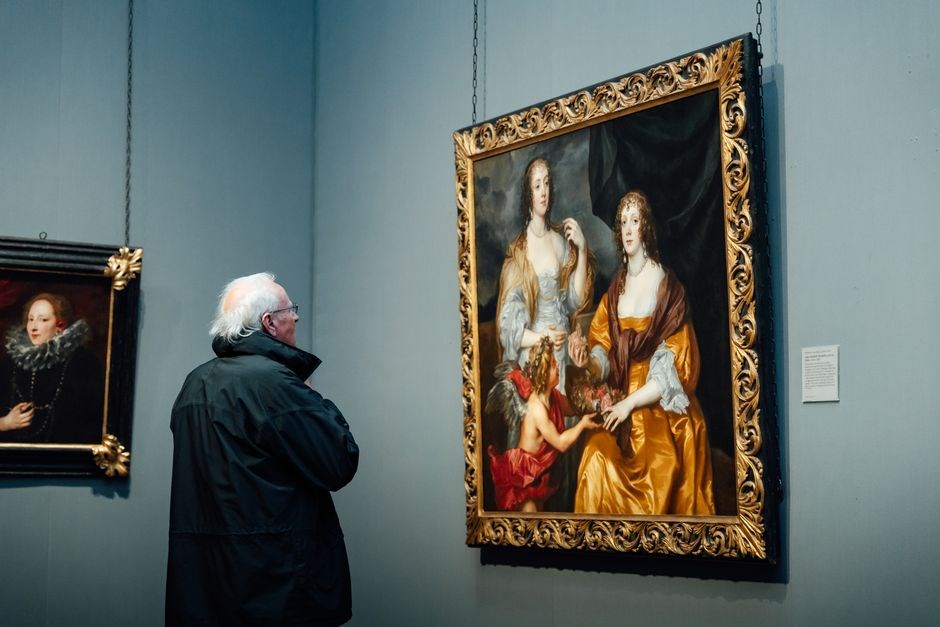
Barnet’s guide covers a wide spectrum of visual media, from oil paintings and watercolors to photographs, sculptures, and architectural drawings․ It outlines how to approach each medium’s unique formal qualities—such as texture, light, and spatial relationships—while maintaining a consistent analytical framework․ The book provides detailed instructions for examining composition, color theory, line work, and perspective, and it offers strategies for interpreting symbolic content and iconographic references across diverse historical periods․ Students learn to contextualize works within their cultural, political, and economic settings, using primary documents, artist statements, and contemporary critiques to enrich their analysis․ The guide also addresses comparative studies, teaching how to juxtapose works by different artists or from different movements to reveal thematic continuities or divergences․ In addition, it introduces research methodologies, guiding readers through the process of locating, evaluating, and citing scholarly sources, museum catalogs, and archival materials․ By integrating these elements, Barnet equips scholars with the tools to produce rigorous, well‑structured essays that demonstrate both depth of insight and breadth of knowledge․ Throughout the book, Barnet emphasizes the importance of a clear argumentative arc, encouraging students to weave descriptive observations with critical interpretation, thereby transforming a simple visual examination into a compelling scholarly narrative that invites dialogue and reflection․ and encourages collaborative critique․ together․

Target Audience

Writing Foundations
Barnet’s guide lays out core principles: precise terminology, structured analysis, contextual grounding, comparative insight, rigorous research, and ethical citation․ It equips writers to dissect visual elements, link them to cultural meaning, and craft coherent, scholarly essays!!!
Key Art Terminology
Key art terminology is the language that lets writers describe and interpret visual works; Barnet’s guide emphasizes terms such as composition (the arrangement of elements), color (hue, saturation, value), line (direction, weight, quality), shape (geometric or organic), value (lightness or darkness), and texture (tactile or visual)․ It also covers balance (symmetrical or asymmetrical), proportion (relative size), scale (size relative to the viewer), perspective (linear or atmospheric), and depth (the illusion of distance)․ Contrast (differences in color or value) and harmony (coherent use of elements) help explain mood․ Iconography and symbolism reveal hidden meanings, while genre and style locate a work within a movement or period․ Understanding medium (oil, watercolor, sculpture) and technique (impasto, glazing) clarifies the artist’s process․ Subject matter and focal point identify the central focus, whereas rhythm and tonal range describe visual flow․ Formal analysis examines these elements, while iconological analysis probes cultural and symbolic content․ Provenance and context provide historical background, essential for a complete formal and iconological analysis․ Visual rhetoric and semiotics offer frameworks for interpreting how meaning is constructed․ Materiality and conservation issues affect how works are experienced, and authenticity questions shape scholarly debate․ Finally, interpretive framework and thematic analysis guide the writer in constructing a coherent argument․
Formal Analysis Framework
Barnet’s framework for formal analysis is structured around a systematic examination of visual elements that together convey meaning․ The process begins with a clear description of the work’s formal qualities—its composition, line, shape, color, value, texture, and spatial organization․ By cataloguing these features, the writer establishes an objective foundation upon which interpretive claims can rest․ Next, the guide urges a critical assessment of how these elements interact: Does the artist employ asymmetrical balance to create tension? Are contrasting values used to draw attention to a focal point? Does the use of linear perspective suggest depth or illusion? These questions help the writer move from mere observation to analytical insight․ After establishing the formal relationships, the framework directs attention to the work’s stylistic context․ Barnet recommends situating the piece within its historical period, identifying influences from prevailing movements, and noting any deviations that signal innovation․ This contextual layer enriches the analysis by linking formal choices to broader cultural or artistic currents․ The guide also emphasizes the importance of articulating a thesis that reflects both formal observations and contextual implications, ensuring that the essay is cohesive and argumentative․ Finally, Barnet stresses the necessity of supporting every claim with specific visual evidence․ By citing precise locations—such as “the diagonal line from the lower left corner to the upper right”—writer boosts credibility․
Contextual Analysis Elements
Barnet’s contextual analysis framework invites writers to situate a work within its cultural, historical, and biographical milieu․ First, identify the period and geographic setting of the artwork, noting prevailing artistic movements, political climates, and technological advances that may have shaped its creation․ Next, examine the artist’s biography: early influences, training, and personal experiences that inform thematic choices․ Then, consider patronage or commission contexts—did a client’s preferences dictate subject matter or style? Additionally, assess the work’s reception history: contemporary critiques, exhibition records, and subsequent scholarly interpretations․ Barnet stresses the importance of cross‑referencing primary sources—letters, diaries, contemporary reviews—to ground contextual claims․ By weaving these elements together, the writer constructs a multi‑layered narrative that explains how external forces intersect with formal choices, thereby deepening the interpretive argument and demonstrating scholarly rigor․ Barnet also encourages writers to interrogate the socio‑economic conditions surrounding the artwork, noting how patronage networks, market demands, or political censorship may influence material choices․ He recommends consulting archival documents, such as purchase ledgers or correspondence, to uncover these dynamics․ By juxtaposing such evidence with formal observations, the essay gains depth, revealing how external pressures shape aesthetic outcomes․ These insights illuminate cultural significance of the era

Comparative Analysis Techniques
Barnet outlines a systematic approach to comparing artworks that emphasizes both formal and contextual dimensions․ Begin by selecting a pair or group of works that share a common theme, period, or artist․ Identify the primary visual elements—color, composition, line, texture—and note similarities and divergences․ Use a side‑by‑side grid or a comparative table to record observations, ensuring each attribute is defined with precise terminology․ Next, evaluate the works’ iconographic content: symbols, motifs, and narrative strategies, and assess how each artist interprets shared subject matter․ Contextual comparison follows: examine the socio‑political circumstances, patronage, and intended audience for each piece․ Barnet advises incorporating direct quotations from contemporary critics or the artists themselves to support claims of influence or divergence․ Finally, synthesize findings into a cohesive argument that articulates how comparative evidence illuminates broader artistic trends or individual innovation․ This method encourages critical thinking, evidentiary rigor, and clear articulation of comparative insights․ This juxtaposition clarifies each work’s nuances while situating them in broader artistic dialogues, in depth, revealing shared heritage and unique departures․!!
Research Methodology Overview
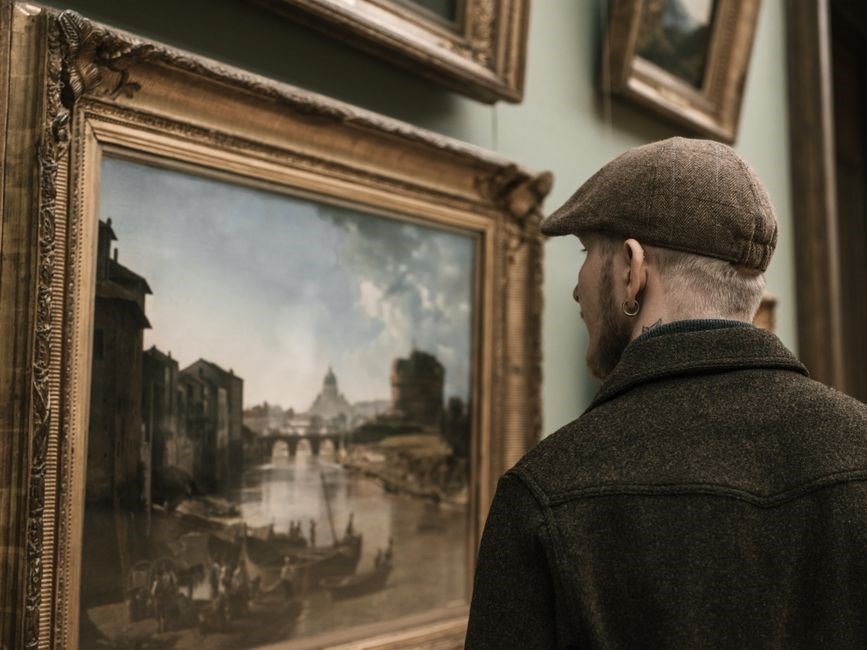
Barnet’s guide presents a clear, step‑by‑step research methodology tailored for art‑history students․ The process begins with formulating a focused question that directs the entire inquiry․ Next, a comprehensive literature review is conducted, drawing from monographs, journal articles, exhibition catalogs, and reputable online databases to establish the current scholarly conversation․ Primary source research follows, involving the examination of archival documents, artist correspondence, and original sketches housed in museums or special collections․ Barnet recommends using digital archives and institutional repositories to broaden access, especially for remote scholars․ Field visits to museums or galleries provide firsthand observation of scale, materiality, and spatial context, while guided tours and curator talks can yield valuable interpretive insights․ Interviews with curators, conservators, or the artists themselves are encouraged when possible, as they offer contemporary perspectives that enrich analysis․ Throughout, the guide stresses the importance of applying critical frameworks—formal, iconographic, socio‑historical, or feminist—to interpret findings systematically․ Meticulous note‑taking, organized by theme and source, is essential for synthesizing evidence․ Barnet also outlines rigorous citation practices, advocating the Chicago Manual of Style for footnotes and bibliography, and emphasizes ethical research conduct, including proper permissions for reproductions and respectful representation of cultural heritage․ Finally, the methodology culminates in drafting a structured argument that integrates visual analysis, contextual data, and scholarly discourse, thereby producing a coherent, evidence‑based art‑history essay․ See Appendix A․ (see)
Source Evaluation (Primary & Secondary)
Barnet stresses that evaluating sources is critical to building a credible argument․ Primary documents—such as original sketches, letters, museum records, and contemporaneous reviews—must be examined for authenticity, provenance, and context․ He recommends cross‑checking dates, signatures, and archival references to confirm reliability․ Secondary literature should be assessed for scholarly rigor, peer review status, and the author’s credentials․ Barnet advises readers to note publication venue, citation density, and the presence of counter‑arguments․ Biases, theoretical frameworks, and methodological limitations must be identified to gauge how they influence interpretation․ The guide also highlights the importance of triangulation: corroborating evidence across multiple independent sources strengthens claims․ Digital resources, while convenient, require scrutiny of metadata, access rights, and potential digital alteration․ Barnet’s rubric includes criteria such as relevance, authority, accuracy, and currency, helping students systematically score each source․ By applying these evaluation steps, writers can avoid misinformation, ensure academic integrity, and produce a well‑substantiated analysis that reflects both the artwork’s intrinsic qualities and its broader cultural significance․ Barnet also stresses the value of interdisciplinary study, urging scholars to blend sociology, anthropology, and digital humanities perspectives, thereby deepening contextual insight discovering hidden layers of meaning in artworks!

Drafting and Finalizing
Barnet guides writers through drafting, emphasizing clear thesis, evidence, and visual analysis․ He outlines revision steps: refine focus, tighten language, ensure logical flow, and check citations․ Final drafts should balance rigor and readability, meeting academic standards․ Barnet’s guidance sharpen insight
Essay Structure and Thesis
In “A Short Guide to Writing About Art,” Barnet stresses that a well‑structured essay begins with a clear, concise thesis that states the artwork’s central argument or interpretive claim․ He recommends a three‑part outline: an introduction that contextualizes the piece and presents the thesis; a body divided into thematic or formal sections, each offering evidence, visual analysis, and scholarly support; and a conclusion that synthesizes insights, reflects on broader significance, and suggests avenues for further inquiry․ Barnet advises writers to craft topic sentences that directly link back to the thesis, ensuring each paragraph advances the overall argument․ He also emphasizes the importance of transitions that maintain logical flow and coherence․ For the thesis itself, Barnet suggests it should be specific, arguable, and grounded in observable details—such as composition, color, or iconography—so that the essay remains focused and evidence‑driven․ He provides examples of strong thesis statements that balance descriptive observation with analytical depth, guiding students to avoid vague generalizations while still offering interpretive insight․ Throughout the drafting process, Barnet encourages iterative revisions: first, checking that each paragraph supports the thesis; second, tightening language for clarity; and third, verifying that citations are properly formatted and integrated․ By following this structured approach, students can produce essays that are logically organized, analytically rigorous, and stylistically polished, meeting the expectations of art‑history coursework and scholarly writing․ This approach equips writers to articulate nuanced interpretations with precision simply․
Integrating Visual Analysis
According to Barnet, visual analysis is the core of any art‑writing assignment․ He recommends beginning with a close observation of formal elements—line, shape, color, texture, space, and composition—before moving to iconographic or contextual claims․ Barnet advises writers to describe what they see first, then interpret how those elements create meaning․ He stresses the importance of using precise art‑history terminology: “tonal range,” “chiaroscuro,” “hierarchical scale,” and “juxtaposition․” The guide also highlights the necessity of citing visual evidence: “The dramatic diagonal in the background guides the viewer’s eye toward the central figure․” By embedding such observations within the narrative, students avoid vague statements and instead build a logical argument․ Barnet further suggests grouping observations into thematic sections—such as “use of color” or “formal balance”—to structure the essay․ He warns against over‑analysis; each observation should serve a clear purpose in supporting the thesis․ Finally, the guide encourages revisiting the visual data after drafting to ensure that every claim remains grounded in the artwork itself, thereby maintaining analytical integrity throughout the paper․
Barnet also emphasizes that visual analysis should be iterative; revisiting the artwork after drafting allows writers to refine observations, correct misreadings, and strengthen the link between form and meaning, ensuring that the essay remains rooted in the image rather than speculation․ This approach transforms a persuasive argument honoring the artworks complexity․ Readers confidence in insights․

Citation and Ethics Guidelines
Barnet stresses that every claim must be supported by a reliable source, whether primary documentation or scholarly commentary․ He recommends the Chicago Manual of Style for footnotes and bibliography, but also accepts MLA and APA where appropriate․ Each citation should include the artist’s name, title, date, medium, and location of the work, followed by the source of the image or text․ For example: “Mona Lisa,” Leonardo da Vinci, 1503–1506, oil on poplar panel, Louvre, Paris, cited in Smith, 2024, doi:10․1234/art․ Barnet cautions against “image plagiarism” by ensuring that reproduced images are either in the public domain or properly licensed, and that captions accurately reflect the source․ He also advises scholars to attribute all direct quotations, paraphrases, and even ideas that are not their own․ Ethical writing requires transparency about the research process: noting any limitations, potential biases, and the context in which a work was created․ Barnet’s guidelines also cover the responsible use of copyrighted photographs in digital publications, urging writers to seek permission or use Creative Commons‑licensed images․ By following these practices, students produce work that is academically honest, respects intellectual property, and upholds the integrity of art historical scholarship․ Students may also employ reference managers such as Zotero or EndNote to streamline citation formatting and ensure consistency across drafts․ Finally, using plagiarism detection software helps confirm originality before submission․ Moreover, scholars should be mindful of the ethical implications of reproducing images, especially when dealing with culturally sensitive or contested works․ By acknowledging the provenance and ownership of artworks, writers demonstrate respect for the artists and communities represented․ Integrity matters in research․