Phrasal verbs are important in English, used to express actions,
with a verb and particle combination, commonly used in informal speech and writing, essential for language learners to master, with various resources available, including PDF materials and online tutorials, to help learners understand and practice phrasal verbs effectively․
Definition and Importance
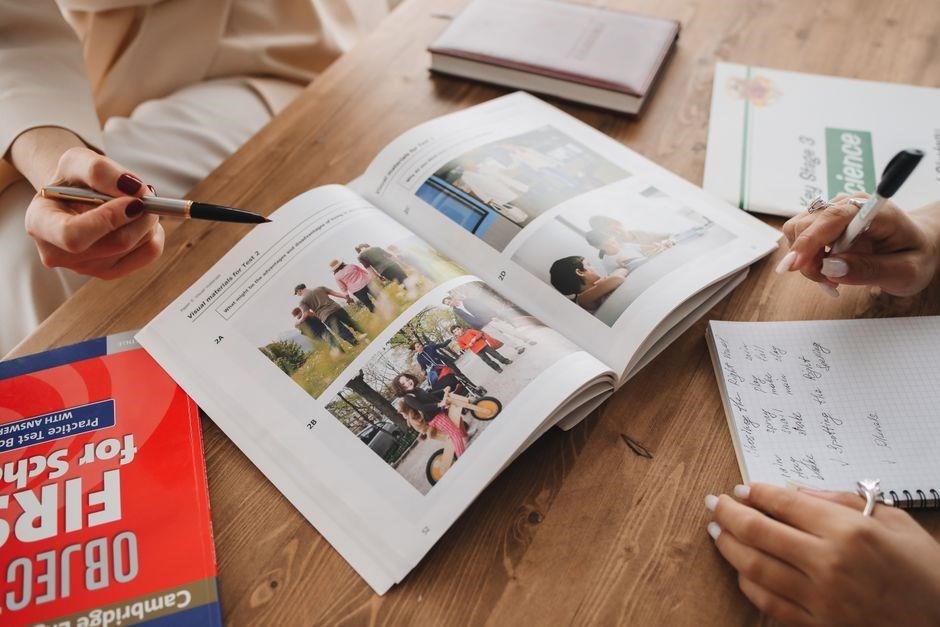
Phrasal verbs are verb and particle combinations,
used to express actions, emotions, and ideas, with various meanings, dependent on context, crucial for effective communication, in informal and formal situations, enabling language learners to express themselves accurately and fluently, with a deep understanding of English language nuances, and subtleties, essential for academic, professional, and social success, in today’s global community, with diverse cultures, and languages, requiring effective communication, and expression, of ideas, and thoughts, clearly, and concisely, using phrasal verbs, correctly, and appropriately, in various contexts, and situations, including academic, professional, and social settings, where effective communication, is critical, and essential, for success, and achievement, of goals, and objectives, requiring strong language skills, and knowledge, of phrasal verbs, and their uses, in different contexts, and situations, enabling language learners, to communicate, effectively, and fluently, in English, and achieve, their goals, and objectives, in academic, professional, and social settings․
Common Uses of Phrasal Verbs
Phrasal verbs are widely used in everyday conversations,
in informal and formal situations, to express actions, emotions, and ideas, in various contexts, such as business, education, and social interactions, enabling effective communication, and expression, of thoughts, and feelings, using common phrasal verbs, such as get, take, make, and do, in different ways, to convey meaning, and nuance, in language use, including idiomatic expressions, and colloquialisms, commonly used in spoken English, and informal writing, such as emails, text messages, and social media posts, requiring understanding, of phrasal verbs, and their uses, in context, to communicate effectively, and avoid misunderstandings, in personal, and professional settings, using phrasal verbs, correctly, and appropriately, in different situations, and contexts, enabling clear, and effective communication, in English, and other languages․
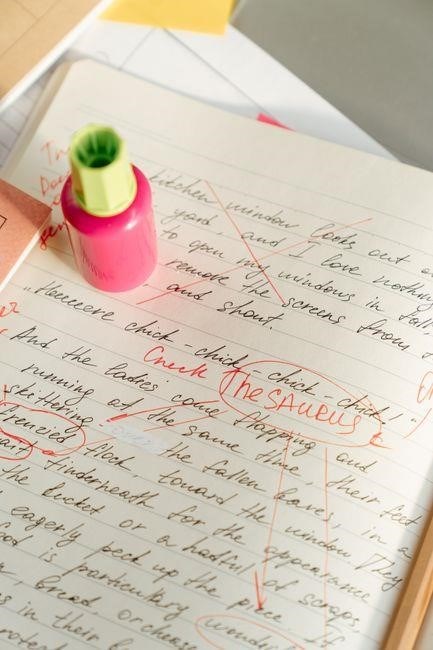
List of Phrasal Verbs and Their Meanings
Phrasal verbs are listed with meanings,
including aim at, ask for, and get on, with examples and explanations, to help learners understand and use them correctly․
Phrasal Verbs Starting with A
Phrasal verbs starting with A include aim at, ask for, ask out, and add up, with meanings such as to point at, request something, invite someone, and calculate the total,
used in various contexts, including formal and informal situations,
with examples and explanations available in PDF materials and online resources, to help learners understand and use them correctly, and improve their language skills, with practice exercises and quizzes to reinforce learning, and enhance their ability to communicate effectively, using phrasal verbs starting with A in real-life situations, and everyday conversations, with confidence and accuracy, and to expand their vocabulary and knowledge of phrasal verbs, with a focus on practical application, and realistic scenarios, to prepare learners for common situations, and challenging contexts, where phrasal verbs starting with A are essential for effective communication, and successful interaction, with native speakers, and non-native speakers, in various settings, and environments, where phrasal verbs starting with A are crucial for clear and concise expression, of ideas and thoughts, and to facilitate smooth and efficient communication, in personal and professional contexts, with a focus on accuracy, and fluency, in using phrasal verbs starting with A, to achieve effective communication, and successful interaction, in various situations, and contexts, where phrasal verbs starting with A are essential for clear and concise expression, of ideas and thoughts․
Phrasal Verbs Starting with B
Phrasal verbs starting with B include back up, bring up, break down, and build up, with meanings such as to support, mention, stop functioning, and increase something,
used in various contexts, including formal and informal situations,
with examples and explanations available in PDF materials and online resources, to help learners understand and use them correctly, and improve their language skills, with practice exercises and quizzes to reinforce learning, and enhance their ability to communicate effectively, using phrasal verbs starting with B in real-life situations, and everyday conversations, with confidence and accuracy, and to expand their vocabulary and knowledge of phrasal verbs, with a focus on practical application, and realistic scenarios, to prepare learners for common situations, and challenging contexts, where phrasal verbs starting with B are essential for effective communication, and successful interaction, with native speakers, and non-native speakers, in various settings, and environments, where phrasal verbs starting with B are crucial for clear and concise expression, of ideas and thoughts, and to facilitate smooth and efficient communication, in personal and professional contexts, with a focus on accuracy, and fluency, in using phrasal verbs starting with B, to achieve effective communication, and successful interaction, in various situations, and contexts, where phrasal verbs starting with B are essential for clear and concise expression, of ideas and thoughts, and to develop their language skills, with phrasal verbs starting with B, and to improve their communication skills, in everyday life, and professional settings, with phrasal verbs starting with B․

Common Phrasal Verbs List and Examples
Includes get on, get off, pick up, and put down, with examples and explanations in PDF materials, to help learners understand and use them correctly․
Level B1 Aptis General Phrasal Verbs
The Aptis test assesses English language skills, including phrasal verbs at the B1 level, which requires understanding of common phrasal verbs such as get on, get off, pick up, and put down․
These phrasal verbs are essential for effective communication in everyday situations․
The Aptis test evaluates a candidate’s ability to use phrasal verbs in context, including reading, writing, listening, and speaking․
Candidates can prepare for the test by studying phrasal verbs and practicing their use in different contexts․
This can be done using online resources, such as PDF materials and practice tests, to improve their language skills and increase their chances of passing the Aptis test․
By mastering phrasal verbs at the B1 level, candidates can demonstrate their ability to communicate effectively in English․
The Aptis test is recognized by many organizations and institutions, making it an important credential for those seeking to demonstrate their English language skills․
Therefore, it is essential for candidates to prepare thoroughly and practice using phrasal verbs in different contexts to achieve a high score on the Aptis test․
The use of phrasal verbs is crucial in everyday communication, and mastering them can significantly improve a candidate’s language skills․
By studying and practicing phrasal verbs, candidates can increase their confidence in using English and improve their chances of success in their careers․
The Aptis test is designed to assess a candidate’s ability to use English in real-life situations, making it an important tool for those seeking to demonstrate their language skills․
By focusing on phrasal verbs and practicing their use in different contexts, candidates can improve their language skills and achieve success on the Aptis test․

Examples of Phrasal Verbs in Sentences
Phrasal verbs can be used in various sentences to convey different meanings․
For example, the phrasal verb get on can be used in the sentence: “I get on the bus at 5pm․”
Another example is the phrasal verb pick up, which can be used in the sentence: “Can you pick up some milk from the store?”
The phrasal verb put down can be used in the sentence: “I’m going to put down the phone and take a break․”
These examples illustrate how phrasal verbs can be used in different contexts to convey different meanings․
By studying these examples, learners can improve their understanding of phrasal verbs and use them correctly in their own sentence constructions․
Additionally, practicing with various sentences can help learners develop their language skills and increase their confidence in using English․
Phrasal verbs can also be used in idiomatic expressions, such as “It’s raining cats and dogs” or “I’m feeling under the weather”․
These expressions can be challenging for learners to understand, but by studying and practicing with various sentences, they can improve their language skills and communicate more effectively in English․
Furthermore, learning phrasal verbs in context can help learners develop their reading and listening comprehension skills, as well as their speaking and writing skills․
By practicing with various sentences and contextualizing phrasal verbs, learners can improve their overall language proficiency and achieve their language learning goals․
Overall, studying and practicing phrasal verbs in sentence constructions can help learners develop their language skills and communicate more effectively in English․

Phrasal Verbs PDF 2019 Resources
Find phrasal verbs resources online, including PDF materials, to learn and practice effectively with various study guides and tutorials․
Online Resources for Learning Phrasal Verbs
There are numerous online resources available for learning phrasal verbs, including websites, blogs, and YouTube channels that provide valuable information and practice exercises․ Some popular online resources include language learning platforms, phrasal verb dictionaries, and forums where learners can ask questions and share tips․ Additionally, many online resources offer interactive quizzes, games, and exercises to help learners practice and improve their phrasal verb skills․ With so many online resources available, learners can choose the ones that best fit their learning style and needs, and access them from anywhere with an internet connection․ By taking advantage of these online resources, learners can improve their phrasal verb knowledge and enhance their overall language skills․ Furthermore, many online resources are free or low-cost, making them accessible to learners of all levels and budgets․ Overall, online resources are a valuable tool for learning phrasal verbs and improving language skills․

Downloadable PDF Materials for Phrasal Verbs
There are many downloadable PDF materials available for learning phrasal verbs, including workbooks, study guides, and exercise sheets․ These PDF materials can be downloaded from various websites and online platforms, and can be used to practice and review phrasal verbs at home or on-the-go․ Many PDF materials are free or low-cost, making them accessible to learners of all levels and budgets․ Some popular PDF materials include phrasal verb lists, flashcards, and quizzes, which can be used to test and improve phrasal verb knowledge․ Additionally, many PDF materials are interactive, allowing learners to fill in answers and track their progress․ By downloading and using these PDF materials, learners can improve their phrasal verb skills and enhance their overall language abilities․ With the convenience of downloadable PDF materials, learners can access phrasal verb resources from anywhere, at any time․

and Recommendations
Mastering phrasal verbs is crucial for English fluency, with consistent practice and review of phrasal verb lists and resources, learners can improve their language skills and enhance their communication abilities, using PDF materials and online resources to support their learning journey․
Tips for Mastering Phrasal Verbs
To master phrasal verbs, learners should focus on contextual learning,
using authentic materials and real-life examples, practicing with flashcards and quizzes, and reviewing regularly to reinforce their understanding․
- Start with common phrasal verbs
- Learn in context
- Practice actively
Consistency and patience are key to success, with dedicated practice and review, learners can overcome the challenges of phrasal verbs and achieve fluency in English, using PDF materials and online resources to support their learning journey, and enhance their language skills with effective learning strategies and techniques․
Future Learning and Practice
For future learning and practice, utilize online resources, such as websites and apps, to access a wide range of materials and exercises, including PDF guides and interactive quizzes, to reinforce understanding and build confidence, with regular review and practice, learners can continue to improve their language skills and achieve fluency in English, by setting goals and tracking progress, learners can stay motivated and focused on their learning journey, with support from teachers and peers, learners can overcome challenges and achieve success in their language learning endeavors, and develop a love for language learning that will last a lifetime․