Round Mirror Size Guide: A Comprehensive Overview (Updated 03/24/2026)
This detailed guide, updated today, March 24, 2026, offers essential advice for selecting the perfect round mirror, considering room aesthetics and practical functionality.
Selecting a round mirror transcends mere functionality; it’s about enhancing a room’s aesthetic and creating a focal point. This guide, current as of March 24, 2026, aims to demystify the process, offering a comprehensive approach to choosing the ideal size for diverse spaces. The market offers a vast array of options, from smaller accent pieces to larger statement mirrors, each impacting a room differently.
Understanding the interplay between room dimensions, furniture proportions, and personal style is paramount. Whether you’re revamping a bathroom, bedroom, living room, or entryway, the right mirror can dramatically alter the perceived space and light. This resource will navigate you through standard sizes, measurement techniques, and style considerations, ensuring a harmonious and functional addition to your home. Careful planning prevents costly mistakes and guarantees a beautiful result.
Why Round Mirror Size Matters
The size of a round mirror profoundly impacts a room’s visual balance and perceived spaciousness. A mirror that’s too small can appear lost and insignificant, while one that’s too large might overwhelm the space. Correct sizing ensures harmony between the mirror and its surroundings, enhancing the overall aesthetic appeal. As of March 24, 2026, understanding these principles is crucial for successful interior design.
Beyond aesthetics, size affects functionality. In bathrooms, an appropriately sized mirror provides adequate viewing for grooming. In living areas, it can amplify light and create the illusion of more space. Choosing the right diameter isn’t arbitrary; it’s a deliberate decision that influences both the look and feel of the room. Ignoring this aspect can detract from the intended design and diminish the mirror’s impact.
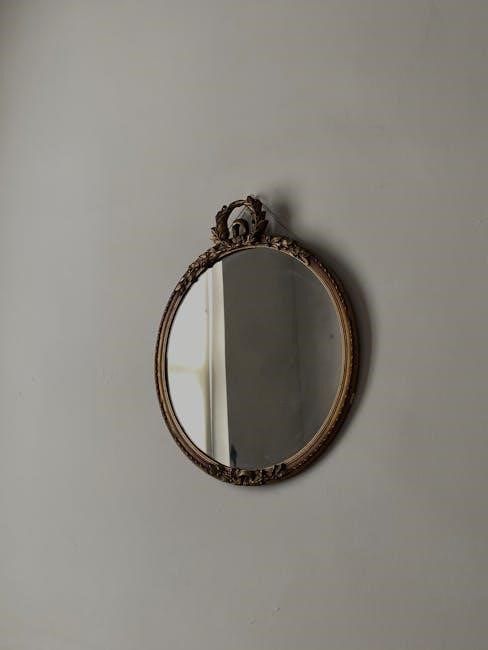
Determining the Ideal Size
Successfully choosing a round mirror requires careful consideration of room dimensions, furniture scale, and the specific function of the space itself.
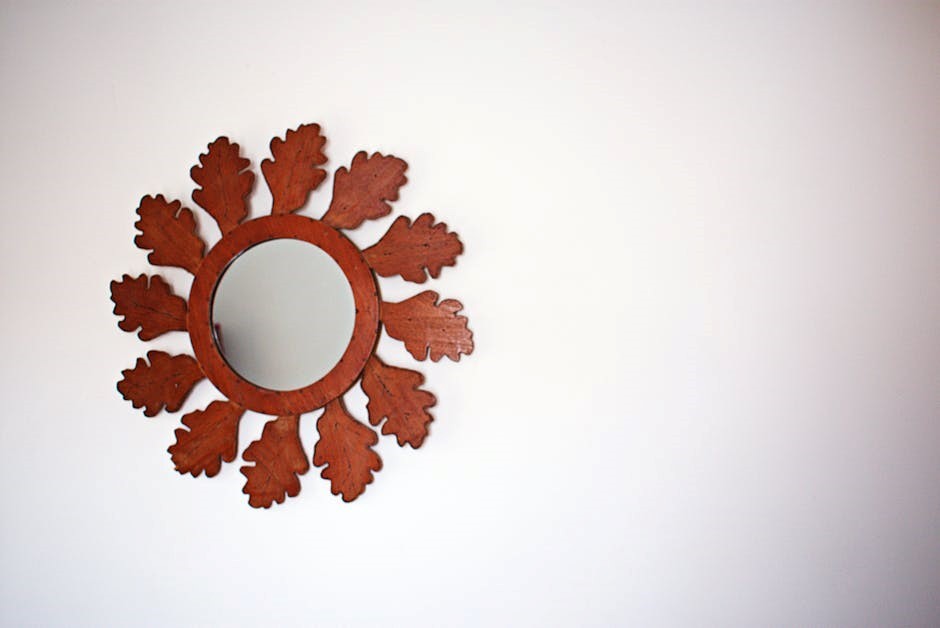
Room Dimensions and Mirror Diameter
Establishing the correct relationship between room size and mirror diameter is paramount for achieving visual harmony. In smaller rooms, a larger round mirror can create the illusion of spaciousness, effectively bouncing light and expanding the perceived area. Conversely, in expansive rooms, a smaller mirror might appear disproportionate and get lost within the space.
A general guideline suggests that the mirror’s diameter should ideally be no more than two-thirds the width of the wall it’s placed on. However, this is a flexible rule, and adjustments should be made based on the room’s specific layout and existing décor. Careful measurement of available wall space is crucial before making a purchase. Consider the surrounding furniture and ensure the mirror doesn’t obstruct walkways or create a cramped feeling. Prioritizing balance and proportion will result in a visually pleasing and functional design.
Furniture Proportions & Mirror Scale
The scale of a round mirror should always complement the surrounding furniture. Above a console table, the mirror’s diameter should ideally be approximately two-thirds the table’s width, creating a balanced visual relationship. When positioned above a sofa or headboard, consider the furniture’s height and length; a mirror that’s too small will appear insignificant, while one that’s too large can overwhelm the space.
Maintaining proportional harmony is key to a cohesive design. For instance, in a room with substantial, boldly-scaled furniture, a larger statement mirror will be more appropriate. Conversely, in a space featuring delicate, minimalist furnishings, a smaller, more refined mirror will blend seamlessly. Always assess the overall aesthetic and ensure the mirror’s size contributes to, rather than detracts from, the room’s established style and proportions.
Mirror Size Based on Room Type
Selecting the appropriate round mirror size is heavily influenced by the room’s function and dimensions.
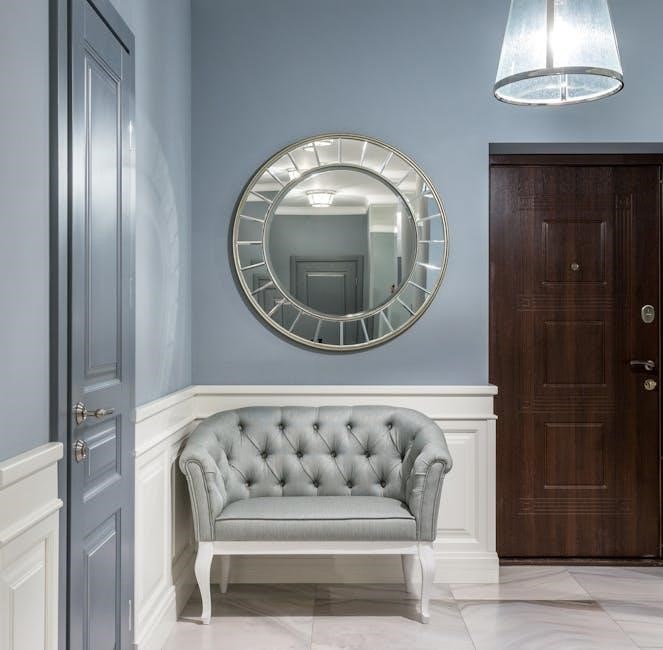
For bathrooms, mirrors typically range from 24” to 30” in diameter, providing ample reflection for grooming. Bedrooms benefit from mirrors between 30” and 36”, enhancing light and creating a sense of spaciousness. In living rooms, larger statement mirrors (40″+) can act as focal points, while smaller accent mirrors (under 24”) work well in groupings or above side tables. Entryways/hallways often utilize mirrors around 32” to 36” to offer a final check before leaving and visually expand the space.
Remember to consider ceiling height and existing décor when making your final decision, ensuring the mirror complements the room’s overall design and functionality.
Round Mirrors for Bathrooms
In bathrooms, round mirrors serve both functional and aesthetic purposes. Typically, a diameter of 24” to 30” provides sufficient reflection for everyday tasks like grooming and applying makeup. However, smaller bathrooms may benefit from mirrors under 24” to avoid overwhelming the space, while larger bathrooms can accommodate diameters up to 36”.
Consider the height of your vanity and the placement of lighting fixtures when selecting a size. The mirror should be positioned to provide optimal viewing height and complement the overall bathroom design. A well-chosen round mirror can enhance the bathroom’s aesthetics and create a more inviting atmosphere.
Don’t forget to factor in the style of your bathroom – minimalist designs often pair well with simpler, smaller mirrors.
Round Mirrors for Bedrooms
For bedrooms, round mirrors are often used to enhance décor and create the illusion of more space. A common size range is 24” to 36”, suitable for placement above dressers or as part of a vanity area. In smaller bedrooms, a mirror between 20” and 24” can provide a stylish accent without dominating the room. Larger bedrooms can accommodate statement mirrors exceeding 40” in diameter.
Consider the mirror’s placement relative to furniture and lighting. Positioning a mirror to reflect natural light can brighten the room and make it feel more spacious. The mirror’s style should complement the bedroom’s overall aesthetic, whether it’s minimalist, traditional, or bohemian.

Prioritize visual balance and symmetry when selecting and positioning the mirror.
Round Mirrors for Living Rooms
In living rooms, round mirrors serve as both functional and decorative elements, often used to amplify light and visually expand the space. For a standard-sized living room, a diameter of 30” to 36” is frequently recommended, ideal for placement above fireplaces or consoles. Larger living areas can benefit from statement mirrors exceeding 40”, creating a focal point and adding a touch of drama.
Consider the proportions of your furniture when selecting a mirror. A large sofa might pair well with a larger mirror, while smaller seating arrangements may call for a more modestly sized option. Reflecting artwork or a scenic view can enhance the room’s aesthetic appeal.
Ensure the mirror complements the living room’s style and color palette.
Round Mirrors for Entryways/Hallways
Entryways and hallways benefit greatly from round mirrors, creating a welcoming first impression and making narrow spaces appear larger. A diameter of 24” to 30” is often suitable for smaller entryways, positioned to reflect light and visually widen the area. For wider hallways or larger entry spaces, consider mirrors ranging from 32” to 36” or even larger, depending on wall space.
Functionality is key in these areas; a mirror allows for quick checks before leaving the house. Placement should consider sightlines and avoid obstructing doorways. The mirror’s style should complement the home’s overall aesthetic, from minimalist to traditional.
Consider the height of the ceiling and the surrounding décor when choosing the ideal size.
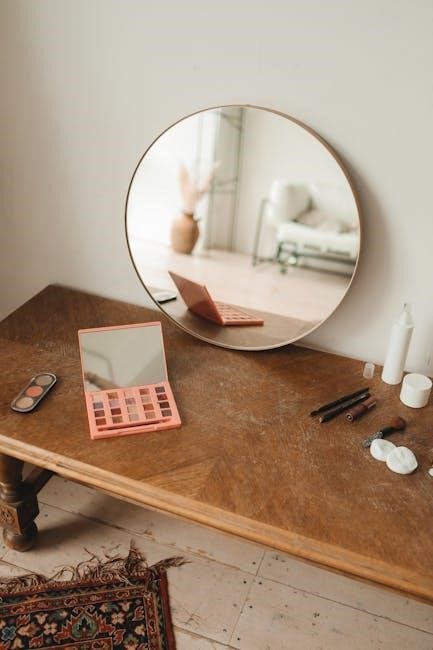
Standard Round Mirror Sizes
Common diameters range from 24” to 36”, with larger statement pieces exceeding 40” and smaller accent mirrors falling under 24” in size.
Common Diameter Ranges (24″ ― 36″)
The 24” to 36” diameter range represents the sweet spot for round mirror versatility, fitting seamlessly into a wide array of spaces and design schemes. These sizes are exceptionally popular for bathrooms, bedrooms, and hallways, offering a balanced aesthetic without overwhelming the room.
A 24” mirror is ideal for smaller powder rooms or as a stylish accent above a console table. Moving up to 30” provides a more substantial presence, suitable for vanities or creating a focal point in a bedroom. The 36” diameter is excellent for larger bathrooms, offering ample reflection and a luxurious feel.
Within this range, consider the surrounding décor; a minimalist space benefits from a cleaner, simpler frame, while a more ornate room can handle a more decorative design. These sizes strike a harmonious balance between functionality and style, making them a safe and effective choice for many homeowners.
Larger Statement Mirrors (40″+)
Round mirrors exceeding 40” in diameter are designed to make a bold statement, instantly becoming the focal point of any room. These substantial sizes are best suited for spacious environments like grand living rooms, expansive master bathrooms, or dramatic entryways. They create an illusion of greater space and add a touch of luxury and sophistication.
A 48” mirror can dramatically enhance a large bathroom vanity, providing ample reflection for grooming and creating a spa-like atmosphere. In a living room, a 40″+ mirror above a fireplace or console table can elevate the entire design. However, careful consideration of wall space is crucial; these mirrors require ample breathing room to avoid appearing cramped.
Pairing these statement pieces with equally impactful décor is key to achieving a cohesive and balanced look. They are perfect for those seeking to create a visually stunning and memorable interior.
Smaller Accent Mirrors (Under 24″)
Round mirrors with diameters less than 24 inches function beautifully as charming accent pieces, adding subtle visual interest without overwhelming a space. These smaller sizes are incredibly versatile, ideal for powder rooms, hallways, or as part of a gallery wall arrangement. They’re perfect for adding a touch of reflectivity to smaller nooks and crannies.
A 12” or 16” mirror can be strategically placed to bounce light around a dimly lit hallway, creating a more inviting atmosphere. In a bathroom, a smaller round mirror can complement a larger vanity mirror, offering a secondary reflection point. These mirrors are also excellent choices for adding a decorative touch to bedrooms or home offices.
Their compact size allows for creative placement and styling, enhancing existing décor without dominating it.

Measuring for a Round Mirror
Accurate wall space measurement and calculating optimal viewing height are crucial for selecting a round mirror that fits perfectly within your existing décor.
Wall Space Measurement Techniques
Before embarking on your round mirror selection, precise wall space measurement is paramount. Begin by identifying the intended location for the mirror and utilizing a measuring tape to determine the available width and height. Consider any obstructions, such as light switches, outlets, or existing décor, that might influence the mirror’s placement and size.
For optimal results, measure the wall space at multiple points to account for any irregularities. Sketch a rough diagram of the wall, noting the dimensions and the position of any obstacles. This visual aid will prove invaluable when visualizing the mirror’s placement and ensuring a harmonious fit. Don’t forget to account for any desired spacing around the mirror – a few inches of breathing room can significantly enhance the overall aesthetic.
Remember, accurate measurements are the foundation of a successful mirror installation, preventing costly mistakes and ensuring a polished, professional look.
Calculating Optimal Viewing Height
Determining the ideal viewing height for your round mirror is crucial for both functionality and aesthetic appeal. A general guideline suggests positioning the center of the mirror at eye level, typically around 60-65 inches from the floor. However, this can vary based on the average height of the household members and the mirror’s intended purpose.
In bathrooms, consider the height of those using the vanity; adjust accordingly for comfortable viewing during grooming activities. For hallways or entryways, prioritize a height that allows for a quick self-assessment. When hanging a mirror above furniture, maintain a comfortable distance – typically 8-12 inches – to prevent a cramped or disproportionate appearance.
Visualizing the placement with painter’s tape before drilling can help refine the height and ensure a perfect fit.
Considering Existing Decor
Integrating a round mirror seamlessly into your existing décor requires careful consideration of style, color palettes, and surrounding furniture. A minimalist space benefits from a simple, frameless mirror, allowing the shape to stand out without overwhelming the room. Conversely, a traditionally styled room might call for a mirror with an ornate, decorative frame.
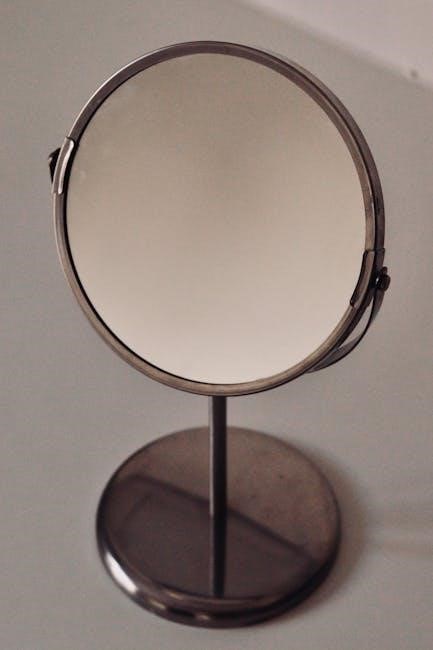
Pay attention to the materials and finishes present in the room. A mirror with a metallic frame can complement stainless steel appliances or hardware, while a wooden frame adds warmth to a rustic setting. Scale is also vital; a large mirror can anchor a space, while smaller mirrors serve as accent pieces.
Ensure the mirror’s style harmonizes with the overall aesthetic to create a cohesive and inviting atmosphere.
Style Considerations & Mirror Size
Mirror size should complement your design aesthetic—minimalist spaces favor simpler designs, while traditional or bohemian styles allow for more ornate and larger options.
Minimalist & Modern Aesthetics
For minimalist and modern interiors, the focus is on clean lines and uncluttered spaces. When selecting a round mirror, prioritize simplicity in both frame design and overall size. A diameter between 24″ and 30″ often works exceptionally well, providing a functional element without overwhelming the room.
Avoid overly ornate or heavily embellished frames; instead, opt for sleek metal finishes like brushed nickel or matte black, or even a frameless design for a truly contemporary look. Larger statement mirrors (40″+) can be incorporated, but ensure they are balanced by ample negative space around them. The goal is to create a sense of calm and sophistication, where the mirror enhances the room’s aesthetic without competing with other elements. Consider the mirror’s reflection – it should amplify light and space, contributing to the airy feel characteristic of modern design.
Traditional & Rustic Styles
In traditional and rustic settings, round mirrors often feature more elaborate frames, incorporating materials like wood, aged metal, or even woven textures. Size selection depends heavily on the surrounding furniture and wall space, but generally, diameters between 30″ and 36″ are popular choices, offering a substantial yet proportionate presence.
Don’t shy away from larger statement mirrors (40″+) in grander rooms, but ensure the frame complements the existing décor. Distressed finishes and antique-inspired details enhance the rustic charm. For smaller spaces, a 24″ mirror can serve as a charming accent. Consider the mirror’s shape in relation to other architectural elements – a round mirror can soften the angularity of traditional furniture. The reflection should contribute to the warm, inviting atmosphere characteristic of these styles, perhaps showcasing a fireplace or a cozy seating area.
Bohemian & Eclectic Designs
Bohemian and eclectic spaces thrive on individuality, making round mirror size selection wonderfully flexible. There are no strict rules! Smaller accent mirrors (under 24″) work beautifully clustered with other artwork and decorative elements, creating a gallery wall effect. However, don’t underestimate the impact of a larger statement mirror (40″+) as a focal point, especially when paired with vibrant textiles and unique furniture.
Consider mirrors with unconventional frames – rattan, macramé, or brightly colored metal – to amplify the eclectic vibe. Mixing and matching sizes and styles is encouraged. A 30″-36″ diameter mirror offers a versatile option, suitable for various wall spaces. The key is to create a layered, visually interesting look that reflects your personal style. Don’t be afraid to experiment and embrace asymmetry; it’s all about expressing creativity!

Hanging Height & Placement
Strategic placement and height are crucial for both functionality and visual appeal, ensuring the mirror complements the room’s design and enhances its overall aesthetic.
Standard Hanging Height Guidelines
Establishing a consistent hanging height is paramount for a cohesive and visually pleasing aesthetic throughout your home. Generally, the center of a round mirror should be at eye level, typically around 58-60 inches from the floor. However, this can be adjusted based on the average height of the household members and the specific room’s function.
In bathrooms, consider the height of those using the vanity; slightly lower might be preferable for comfortable use. For hallways or entryways, maintaining eye level ensures a welcoming and functional reflection. When hanging multiple mirrors, strive for consistent heights to create a sense of order and balance. Remember to account for furniture placement below the mirror, ensuring sufficient clearance and avoiding obstructions.
Prioritize safety when mounting, using appropriate hardware and ensuring secure attachment to the wall. These guidelines offer a starting point, allowing for personalized adjustments to suit individual preferences and spatial requirements.
Mirror Placement for Functionality
Beyond aesthetics, strategic mirror placement significantly enhances a room’s practicality; In entryways, a round mirror near the door allows for quick self-checks before leaving, creating a welcoming first impression. Bathrooms benefit from mirrors positioned to provide optimal lighting for grooming tasks, ideally facing a light source. Living rooms can utilize mirrors to reflect light, making the space feel brighter and larger.
Consider the mirror’s purpose; is it for applying makeup, checking an outfit, or simply adding visual depth? Placement should directly support that function. Avoid placing mirrors directly opposite clutter or unsightly views, as they will be amplified; Instead, reflect attractive elements or open space.
Thoughtful placement maximizes the mirror’s utility, transforming it from a decorative element into an integral part of the room’s functionality.
Visual Balance & Symmetry
Achieving visual balance with a round mirror involves considering the surrounding décor and overall room layout. Symmetry can be created by flanking the mirror with matching sconces or artwork, establishing a sense of order and harmony. Asymmetrical arrangements, however, can also be effective, provided they are carefully balanced with other visual weights in the room.
A large round mirror can anchor a space, while smaller mirrors can add subtle accents. Pay attention to the mirror’s reflection; it should complement, not compete with, the existing elements. Ensure the space around the mirror isn’t overly crowded, allowing it to breathe and maintain its visual impact.
Ultimately, the goal is to create a cohesive and pleasing aesthetic where the mirror feels integrated into the room’s design.